Homeowners should put effort and money into a sound gutter system for several reasons. In addition to diverting water from the house’s foundation, gutters shield siding from water damage, keep basements dry, and maintain landscaping. If the installation is done correctly, the system can survive for decades, whereas a poorly installed one can fracture, leak, and decay in years. Plus, here are some things to remember if you install or replace your gutters so that they remain a solid, watertight barrier.
Significant Benefits Offered by Gutter Installation
When functioning correctly, gutters divert water from the roof and away from the foundation of your house. This straightforward but essential procedure assists with the following:
- Preserve Bases:
- Water pooling around a home’s foundation can cause structural damage and expensive repairs down the road.
- Guttering lessens the likelihood of water collecting and leaks at lower levels, preventing flooding in the basement.
- Proper drainage prevents the erosion of flower beds and lawns after heavy rains, which helps to preserve landscaping.
- Standing water on a roof may deteriorate roofing materials and eventually seep through shingles, so it’s essential to keep it dry.
Protecting your property from water damage and keeping it looking good are two benefits of a properly built gutter system. For this reason, it is essential to pay close attention to the methods of gutter installation and the materials chosen.
Aluminum, Vinyl, and Steel: A Comparison of Gutter Materials
Gutter materials have advantages and disadvantages, much like the many types of pipe. Moreover, nowadays, aluminum, vinyl, and steel are the three most sought-after alternatives available:
- Aluminum Gutters
Advantages: It is not heavy, won’t rust, and is not too difficult to set up.
- Drawback: Shocks from things like fallen branches might cause dents.
Who it’s best for: Homeowners looking for an affordable, rust-free alternative.
- Gutters made with vinyl
- Pros: Reasonably priced, easy to set up, and corrosion-proof.
- Drawbacks: It may shatter in places with extremely low temperatures and is not as robust in very high temperatures.
This is the best option for mild climates and fast, inexpensive installs.
- Gutters made of steel
One advantage is that it often lasts longer than vinyl and is quite sturdy to withstand heavy snowfall.
Drawbacks: It’s costlier and heavier and can rust if incorrectly handled.
Longevity and robustness are more important than the initial investment in regions with severe weather.
But before settling on a material, think about your home’s design, the weather where you live, and your budget. Every material has its ideal use.
Gutter Repair by the Thompson Family: A Case Study
Take a peek at the Springfield home renovation that the Thompson family just completed to see the results of well-installed gutters. Even with modest rains, their aging house’s drooping gutters would flood. Yet, the basement developed mildew and structural issues as a result of water damage that seeped in over the years.
- Assessment: A local contractor discovered that the downspouts were too short, redirecting water right at the foundation. Additionally, sections of the gutter system lacked sufficient slope.
- Solution: The Thompsons replaced their vinyl gutters with seamless aluminum gutters, ensuring custom lengths for each roof edge. They added extended downspouts that led water at least four feet from the house.
- Outcome: Within a month of installation, the basement showed no new signs of water intrusion. The new system also included a leaf guard, reducing clogs and allowing the gutters to function effectively year-round.
According to a post-installation check, the project cut the risk of water damage by over 80%, highlighting how thoughtful design and professional setup can dramatically improve your home’s resilience.
Installation Tips for Long-Lasting, Leak-Free Gutters
Whether you choose to install gutters yourself or hire a pro, a few practices can ensure a successful outcome:
- Aim for the Correct Slope
-
- A slope of around ¼ inch for every 10 feet of gutter length usually ensures proper water flow.
- Be mindful that a slope that is too steep looks awkward, while a hill that is too shallow can cause water to pool.
- Use the Right Fasteners
- Consider hidden hangers or brackets rather than spikes and ferrules. They offer a more secure fit and less chance of pull-out over time.
- Space fasteners no more than two feet apart for additional stability, especially in regions prone to heavy snow or rainfall.
- Secure Downspouts Properly
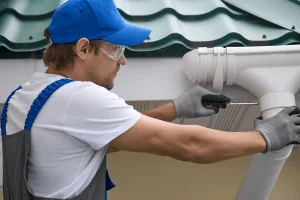
- Attach downspouts snugly to the house with brackets that prevent swaying or detachment.
- Extend downspouts at least three to four feet from your foundation to keep water from gathering near the base of your home.
- Add Gutter Guards
- Leaf guards or screens can significantly reduce clogs, ensuring consistent water flow.
- While they add to the initial cost, many homeowners find they offset frequent cleaning expenses in the long run.
- Mind the Seams
- Seamless gutters reduce leakage points, but if you’re using sectioned gutters, ensure each seam is properly sealed with a weatherproof sealant.
- Check these seals annually for wear and tear—especially after severe weather events.
Maintenance That Pays Off
Even top-quality gutters need regular check-ups to perform at their best. A routine inspection each spring and fall can help you spot small issues before they turn into big headaches:
- Clean Debris: Leaves, twigs, and gunk can build up quickly, creating blockages that lead to overflow and leaks.
- Check for Rust or Cracks: If you notice orange flecks on steel gutters or hairline splits in vinyl, address them promptly to avoid further deterioration.
- Reapply Sealants as Needed: Temperature changes can cause expansion and contraction, weakening seals over time. A quick reapplication goes a long way.
With proper upkeep, you can extend the life of your gutters by five to ten years, saving both time and money on premature replacements.
Ready to Strengthen Your Home’s First Line of Defense?
Gutter systems play a vital role in preserving your home’s integrity, protecting the foundation, and saving you from expensive repairs down the road. Each small detail—from choosing the right material to checking the slope—contributes to a successful installation. So, here’s a question to guide your next step: Is it time to upgrade your gutters and invest in a leak-free, durable future for your home?