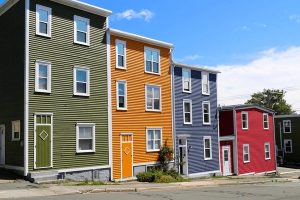
Have you ever entered a room feeling unusually calm, enthusiastic, or perhaps more agitated than usual? Fascinatingly, those mood fluctuations could be caused by the hue of your walls. Colors have the power to affect our emotions, boost our output, and also our physical condition.
This blog will show how wall colors affect your mood. We will also discuss the reasons behind selecting the appropriate one for your place. Prepare to discover how to create an environment in your house or business that supports your energy, creativity, and health.
The psychological influence of colors
First of all, before we discuss which colors could make you feel fatigued or moody, it’s important to understand why colors have such a strong effect on our emotions.
Colors affect us consciously and unconsciously. Have you ever observed, for instance, that people feel more relaxed in cold, subdued tones or more active in bright, vivid environments?
How Do Wall Colors Affect Your Emotional State?
Different colors have different effects on your body and psyche. Let’s investigate how some wall colors might cause emotions of exhaustion, annoyance, or even optimism.
- Red: energizing yet too exciting
Red is a rather strong, high-energy hue. It usually links with enthusiasm, emotion, and activity. Too much red, meanwhile, can also cause anxiety, irritability, and tiredness.
Why might you feel sluggish? Red raises blood pressure and pulse rate, so you might get moody. Although the hue is great for inspiration or action, it can be overpowering in a place where you have to unwind or concentrate.
Ideal for: It performs best in areas where drive and energy are crucial, such as gyms, kitchens, or game rooms.
- Blue: Calm, yet Cool Too
Many people value blue’s relaxing properties. It is the hue of calm, confidence, and tranquility. Blue can, however, cause you to become depressed, distant, or fatigued if used too much.
Why you could feel tired: Sometimes, a space feels cold and isolated from darker blue tones. A setting dominated by blue tones might sap your energy and cause lethargic effects over time.
It is ideal for bedrooms or offices where you need to be tranquil and concentrate.
- Yellow: Positive but overpowering
Yellow is often associated with optimism, brightness, and happiness. It is ideal for igniting imagination and naturally makes one happy. Too much yellow can overstimulate the brain and cause worry and discomfort.
Why you might get restless: Too much yellow might set off uneasiness or anger.
Ideal for creative settings or rooms you wish to be energetic, such as art studios or living rooms.
- Green: Refreshing yet could feel stationary.
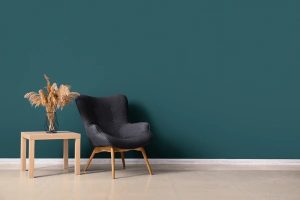
The color of nature, green, is well-known for its restoring and soothing effects. It is usually connected with peace, rejuvenation, and progress. Still, depending on the shade, it might feel overly passive or boring.
Why you might feel sluggish While green is great for relaxing, darker or too subdued greens might induce a sense of stasis or lack of movement, affecting your tiredness or motivation level.
Ideal for: Living rooms, meditation areas, or gardens where you wish to strike a mix between activity and leisure, you will find it perfect.
- Purple: Indulgent yet Weighty
Often associated with elegance, creativity, and spirituality is purple. While deeper purples could encourage reflection, lighter colors—like lavender—can have a relaxing impact. Too much deep purple, meanwhile, can make a space seem stifling.
Why you might be moody: Sometimes dark purple tones make a room feel weighty, which would cause tiredness, isolation, or despair. This is especially true considering low natural light.
Perfect for Creative offices, bedrooms, or private areas needing peace and vitality.
- White: neat but empty and stark can be felt
White is often linked with purity, simplicity, and freshness. It can provide a room with a clean, orderly, and spacious feeling. However, when overdone, white can cause emotions of emptiness, loneliness, or boredom.
Why would you be tired? Too much white, particularly in a room lacking natural light, can produce a sterile, dead environment that drains or disconnects you.
Ideal for: Modern homes, simple rooms, or areas where you wish to foster openness will find it perfect.
- Gray: Neutral, yet one can feel gloomy.
Often employed as a neutral color, gray creates a classy, balanced surrounding. Overused, it might have a boring or gloomy effect.
Why you could be tired: Gray is not an energetic color, even if it is soothing. Gray rooms can seem depressing and weighty, lowering drive or vitality.
Ideal for: Living rooms, offices, or areas where you wish to keep a neutral tone free from attention.
Using colors, how can one establish the appropriate mood?
Knowing how different hues can affect your emotions, let’s investigate how to employ hue to design the perfect space.
Advice on selecting colors depending on your intended mood:
- Relaxing: Go with cool tones like mild blues and greens to establish calm, tranquil surroundings.
- Energetic: Use vivid hues like red or orange to inspire and uplift.
- Creative: Creatively spark fresh ideas using yellows or purples to activate the intellect.
- For focus: To promote concentration and clarity, stick to subdued blue, light gray, or beige calmers.
- For positivity: Lighter versions of yellow, orange, and green produce a brilliant, hopeful environment.
More than you would believe, color matters.
Your wall colors significantly affect your everyday mood, not only your aesthetic taste. Understanding the psychological impacts of color helps you design environments that complement your feelings, energy level, and output.
Therefore, consider how the hue you decide will affect your mood the next time you paint or remodel. Better general well-being results from feeling more calm, motivated, or creative—from the proper wall color.